
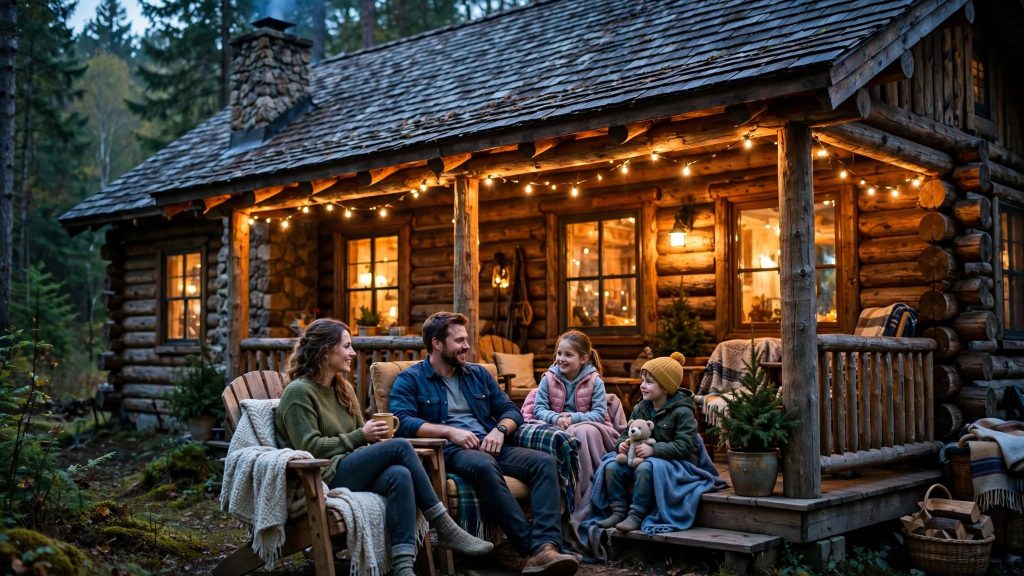
Camping is often associated with tents, sleeping bags, and nights spent close to nature. While that traditional experience appeals to many travelers, it is not the only way to enjoy a peaceful outdoor break. Cabin stays offer a comfortable alternative for people who want the atmosphere of a camping holiday without giving up basic conveniences.
From protection against changing weather to having a proper place to sleep, cabins can make outdoor holidays easier for couples, families, and groups. They provide a practical middle ground between tent camping and conventional accommodation, allowing guests to spend plenty of time outdoors while returning to a more sheltered space at the end of the day.
A Comfortable Way to Stay Close to Nature
One of the main attractions of a cabin stay is the balance between indoor comfort and outdoor surroundings. Guests can still wake up near trees, walking trails, open spaces, or other natural features while having solid walls and a roof around them.
This can be particularly appealing to people who enjoy outdoor activities but are less enthusiastic about sleeping directly on the ground. After hiking, cycling, exploring the local area, or simply spending the day outside, returning to a cabin provides a comfortable place to rest.
Cabins also make it easier to enjoy nature at a slower pace. Instead of spending much of the trip setting up and maintaining a campsite, travelers can focus more of their time on relaxing and exploring.
Better Protection From Changing Weather
Weather can significantly influence any camping holiday. Rain, wind, cool evenings, or damp ground can make tent camping less comfortable, especially when conditions change unexpectedly.
A cabin provides a more protected environment. Solid walls and a secure roof help keep sleeping areas dry and reduce direct exposure to wind and rain. Depending on the accommodation, cabins may also include heating, ventilation, or other features that make changing temperatures easier to manage.
This does not mean travelers should ignore the forecast. Suitable clothing, waterproof footwear, and appropriate outdoor equipment are still useful. However, having a sheltered base can reduce some of the practical concerns associated with spending an entire holiday in a tent.
Easier Sleeping and Everyday Routines
A good night’s rest can make a noticeable difference to how enjoyable an outdoor holiday feels. Sleeping on uneven ground or dealing with limited space inside a tent does not suit everyone.
Cabin accommodation generally offers a more defined sleeping area and may include beds, mattresses, storage, lighting, or electrical outlets. Exact facilities vary between campsites, so checking what is included before booking is important.
Everyday routines can also feel simpler. There may be space to organize clothes, keep personal belongings protected, prepare for the day, and relax indoors during poor weather. For longer camping holidays, these small conveniences can make the experience feel considerably less demanding.
Cabin Stays Can Work Well for Families
Families often need to consider more than sleeping arrangements when planning a camping trip. Children may need room to change clothes, store their belongings, rest after activities, or stay occupied when outdoor plans are interrupted.
A cabin can provide a useful home base while families spend most of their day enjoying the campsite and surrounding area. Parents planning activities may also find How to Make Camping Fun for Kids of All Ages helpful when considering ways to keep children engaged throughout the holiday.
Having an indoor area can be especially useful during quiet periods. Children can read, play simple games, draw, or rest without the whole family needing to leave the campsite when the weather changes.
More Convenient Storage and Meal Planning
Keeping equipment organized is an important part of any camping holiday. In a tent, clothes, food supplies, footwear, and outdoor equipment can quickly take up limited space. Cabins generally provide more separation between sleeping areas and stored belongings.
Check the Cooking Facilities Before You Arrive
Kitchen facilities differ widely between cabin accommodations. Some may have a kitchenette, refrigerator, or basic cooking equipment, while others provide little more than sleeping space. Campsites may also offer shared cooking areas nearby.
Checking these details beforehand makes meal planning easier. If cooking facilities are limited, travelers can bring simple foods that require minimal preparation. Knowing what is available also prevents unnecessary packing and helps avoid bringing equipment that the cabin already provides.
Less Setup Can Mean More Time to Relax
Traditional tent camping involves several practical tasks, including pitching the tent, arranging sleeping equipment, protecting belongings from moisture, and packing everything away before leaving.
With a cabin stay, much of this setup is unnecessary. Guests can usually settle in more quickly and start enjoying their surroundings sooner. This can be useful for short breaks where spending a large part of the first and final day managing camping equipment may feel inconvenient.
It may also suit travelers who are new to camping and want to experience campsite life before investing in a complete collection of tents, sleeping equipment, and related gear.
What to Check When Choosing a Camping Cabin
Not every cabin offers the same facilities, so it is worth reviewing the details carefully before making plans. Consider the number and type of beds, bathroom arrangements, cooking facilities, heating or cooling, electricity, storage space, and whether bedding or towels are provided.
Location within the campsite matters too. Some travelers prefer a quieter cabin away from busy communal areas, while families may value being closer to playgrounds, washrooms, or activity spaces.
Cabin stays also have limitations. They may offer less of the traditional tent-camping experience, and guests may still need to bring certain essentials. Understanding exactly what is included helps ensure expectations match the accommodation.
Enjoying Camping Without Giving Up Everyday Comfort
Cabin stays provide a practical way to enjoy a relaxing camping holiday while keeping many everyday comforts within reach. They offer shelter, easier sleeping arrangements, useful storage, and a convenient base for exploring the outdoors.
For families, couples, groups, or first-time campers, a cabin can reduce some of the preparation associated with traditional camping while preserving the experience of spending time in natural surroundings. By checking the available facilities and packing accordingly, travelers can create a camping holiday that combines outdoor activities with a comfortable place to unwind.